
 English
 Deutsch
 Français
 Español
 简体中文

Why Do Your PADI IDC in Nusa Lembongan?
November 13, 2026
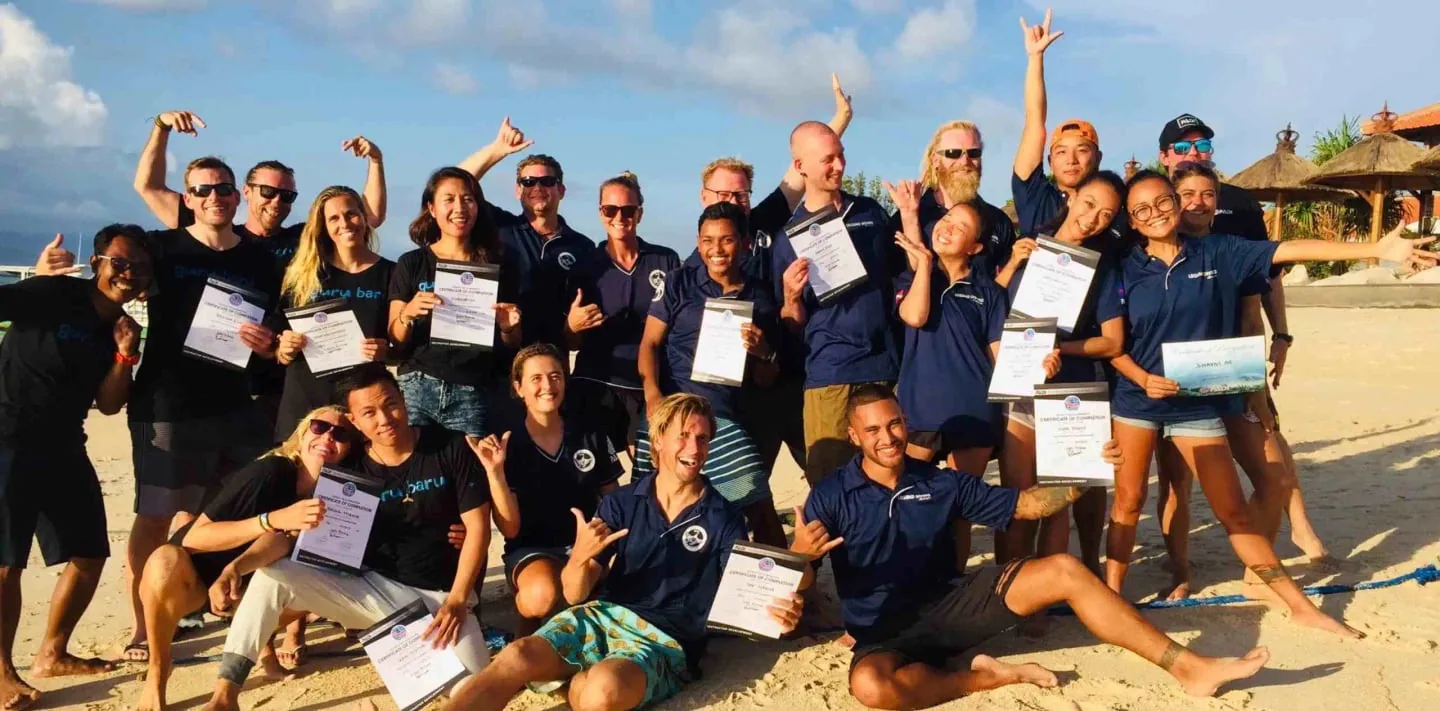
The island, the water and the cost of living, from the people who run IDCs here every month.
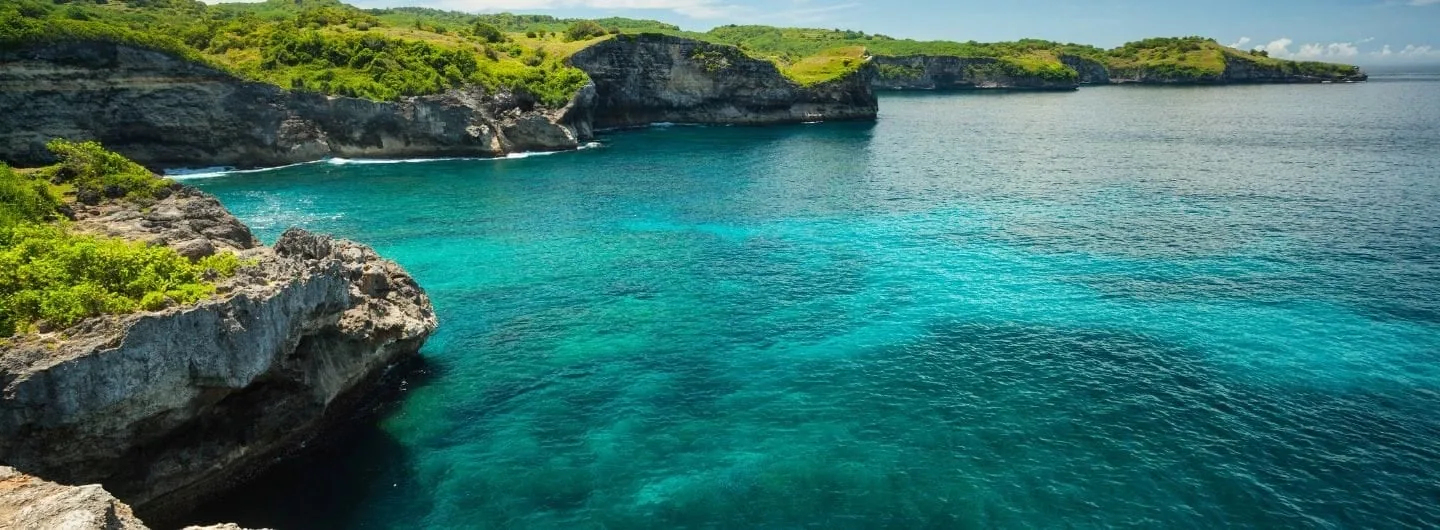
You do your PADI IDC in Nusa Lembongan for the setting as much as the course. The island is small enough to walk from your room to the classroom, the pool and the boat. The water around it gives you everything you will later have to manage as an instructor, from calm sandy bays to strong drift, cold upwelling and mantas. Living costs stay low, and Bali is 30 minutes away by fast boat.
This article covers the conditions you train in, how the island shapes the schedule, the best months to come and what three weeks on Lembongan cost. For the course itself, including structure, dates, prerequisites and what the price includes, see our PADI IDC course in Nusa Lembongan.
What Makes Lembongan Different From Training on Mainland Bali?
Most IDCs on mainland Bali run from a town base, with a drive to the pool and a longer drive to the dive sites. On Lembongan, the distances shrink. The island is about 8 square kilometers, and our air-conditioned classrooms and pool are at the dive center in Jungut Batu, a few meters from the beach where the boats leave.
That matters during an IDC. The days are long, and the course moves between classroom, pool and open water. Less travel time leaves more time for practice, rest and study.
The second difference is the water. Lembongan sits inside the Nusa Penida Marine Protected Area, on the edge of the Lombok Strait. You train in a place where dive planning, current reading and marine life rules are part of every day, not an extra topic.
What Are the Training Conditions Like Around Lembongan?
The sites around the three islands cover a wide range of conditions within a short boat ride. That range is useful for a future instructor, because your first job may be anywhere.
Not every site is used for IDC training. The point is that you see these conditions, on your included fun dives and around the training days, before you have to teach in them.
How Does the IDC Schedule Work Around the Current?
Around Lembongan, the tide decides a lot. Currents in the Nusa Penida channel build and ease with the tide, and the best window at a given site can move by an hour or more from day to day.
The IDC mixes classroom and pool sessions with open water sessions. Classroom and pool time does not depend on the sea, so it can fill the hours when the current is strong. Open water sessions can then go into the calmer windows. Our dive center updates its daily schedule around the tides and guest bookings, and IDC candidates work to the same schedule.
For you, this means two things:
• Flexible days: start times can change, so check the next day’s plan each evening.
• Real planning practice: you see how a dive center chooses sites by tide, which is part of the job you are training for.
When Is the Best Time of Year for an IDC in Lembongan?
We run IDCs every month, so there is no closed season. The weather and the water do change through the year, and that can help you choose a month.
If you want to see mola mola during your fun dives, aim for July to October. If you prefer quieter sites, the months either side of that window are a good choice.
How Do You Get to Lembongan for Your IDC?
You fly into Denpasar on Bali, which has direct and connecting flights from across Asia, Australia and Europe. From the airport, you travel to Sanur, and then take a fast boat to Lembongan. The crossing takes about 30 minutes.
Two fast boat operators run several departures a day, and both can collect you from your accommodation on Bali. We can arrange your fast boat and transfer from Bali, so tell us your flight time when you book.
Before you fly, check two things:
• Visa: visa fees are not included in the IDC price. Many nationalities can get a visa on arrival for 30 days, which can be extended. Rules change, so check the official Indonesian immigration website before you travel.
• Bali tourism levy: foreign visitors to Bali pay a one-time levy of IDR 150,000 per person.
What Does It Cost to Live on Lembongan During the IDC?
Accommodation, food and transport are not part of the course price, so plan for them separately. Living on the island is cheaper than in most dive towns in Europe or Australia.
Add your PADI fees, crew pack and visa, which are paid outside the course fee. Our IDC page lists everything that is included and excluded.
Where Do You Stay During the Course?
Most candidates stay within a few minutes' walk of the dive center. Our partner accommodation comes in three levels:
• Budget: about 100 meters from our door and a short walk to the beach.
• Superior: bungalow-style rooms around a pool, about 150 meters from the dive center.
• Deluxe: sea-facing infinity pools and views of Mount Agung across Jungut Batu bay.
All rooms have air conditioning, a private bathroom and Wi-Fi. For an IDC, quiet matters more than luxury. A room close to the dive center gives you more sleep on early days and an easy walk back for evening study.
What Is Daily Life Like Outside the Classroom?
Lembongan is quiet compared with Bali’s busy south. Jungut Batu has cafés, small shops and a long beach, and you can watch the sunset over the water after a day of training.
On days off, you can cross the Yellow Bridge to Nusa Ceningan, visit Mushroom Bay or join a fun dive. Wi-Fi is widely available, which helps with eLearning and exam preparation in the evenings.
Plan for at least one full rest day in the course. The IDC is intense, and good sleep makes a real difference in your presentations.
Frequently Asked Questions
Is Nusa Lembongan a good place to do a PADI IDC?
Yes. The island is small, so classroom, pool and boats are close together, and the surrounding sites cover calm bays, drift, cold water and mantas. That range prepares you for the conditions you may later teach in.
How long should you plan to stay on Lembongan for the IDC?
Plan for about three weeks. The IDC runs over 15–16 days with preparation days before it, and many candidates add a few days for fun dives or the MSDT.
Do you need a scooter during the IDC?
No. Most accommodation, cafés and the dive center in Jungut Batu are within walking distance. A scooter is useful on days off if you want to explore the island.
Can you see manta rays and mola mola during your IDC?
Mantas live around the islands all year. Mola mola are most often seen from about July to October, so plan your IDC in those months if you want to dive with them.
Is the weather a problem in the wet season?
Not usually. Rain is more likely from January to April, and December and January can make boat days less comfortable. Classroom and pool sessions continue whatever the weather.
Can you work on Bali after your IDC?
Many instructors look for work in Bali and other parts of Indonesia after their IDC. Work permits are needed to work legally, so ask any employer about the visa before you accept a job.
Conclusion
Lembongan gives you a short walk between every part of the IDC, water that shows you what real instructor work looks like and a cost of living that keeps three weeks on the island affordable. Plan your month around the weather and the mola season, budget for life outside the course and arrive ready to work.
Join our mailing list today
Join our community! Subscribe to our blog for fresh content delivered straight to your inbox
Be part of our community and stay updated with the latest insights! Subscribe to our blog for fresh news, tips, and insights delivered straight to your inbox. Join us on our journey and be the first to know about our updates, events, and special offers. Don’t miss out!